Choosing the right industrial mechanical contractor in Massachusetts is about more than picking another service provider. It means finding a partner who understands your facility’s unique challenges and can keep everything running smoothly. Whether you need heating and cooling systems, complex piping, or smart controls, the contractor you choose shapes how well your operations hold up and how much time and money you save.
When choosing an industrial mechanical contractor in Massachusetts, prioritize companies with extensive regional experience, a licensed multi trade workforce, and a proven record of safety and quality, such as Fraser Engineering, serving New England since 1950. Look for contractors offering comprehensive mechanical solutions, including HVAC, process piping, and controls, along with strong project accountability and long term client support.
Top Mechanical Contractors in Massachusetts
Massachusetts is home to seasoned mechanical contractors who have shaped the region’s industrial infrastructure for decades. Fraser Engineering stands as a prime example, established in 1950 with over 75 years of experience, a rarity that signifies deeply rooted knowledge.
Fraser Engineering does not simply install HVAC systems or lay pipe. It provides integrated solutions for complex commercial and institutional needs, ensuring systems work together rather than in isolation. Licensed plumbers, pipefitters, electricians, burner technicians, and controls experts all work under one roof, allowing smoother communication and seamless execution from planning through delivery, which is why hospitals and manufacturers rely on Fraser Engineering for critical facilities that cannot afford downtime.
When evaluating a contractor, look beyond the service list to the client portfolio and operational priorities. Fraser Engineering serves demanding sectors where safety and uptime are essential, and its emphasis on accountability is reflected in the trust it has built with clients across Massachusetts over seven decades. For budgeting purposes, Fraser Engineering encourages potential clients to reach out directly for a project estimate based on their facility’s scope, location, and needs.
Fraser Engineering’s Commonwealth recognized status as a Woman Business Enterprise, combined with its multi trade integration, is one way it stands out in a competitive market.
Reputation and Experience
Reputation and experience are the twin pillars that define reliability and quality in an industrial mechanical contractor. Clients gravitate toward companies with decades of proven performance, since such firms have weathered industry challenges and built lasting relationships through consistent delivery.
Fraser Engineering is rooted in over 75 years of active service in New England’s demanding markets. Having operated since 1950, it has built institutional knowledge newer firms cannot match, which is critical when managing complex projects involving HVAC installation, process piping, or custom control systems. Teams familiar with local regulations and logistical constraints help minimize costly mistakes because they can anticipate problems before they occur.
What truly sets a contractor apart is not how long it has been in business, but how consistently it delivers positive outcomes across sectors such as manufacturing, hospitals, and institutional buildings. Fraser Engineering’s multi trade licensed workforce ensures seamless integration across plumbing, welding, electrical work, and burner services, eliminating the coordination gaps that appear when multiple subcontractors are involved. Reputation also stems from how a company communicates during planning, handles unforeseen issues, and follows up with maintenance support, so when vetting potential contractors, look past the sales pitch and examine project portfolios, client references, certification status, and the breadth of trades covered under one roof.
Identifying Your Mechanical Needs
Knowing what mechanical services your facility requires is foundational to selecting the right contractor. Many industrial operations in Massachusetts depend heavily on HVAC systems for reliable heating and cooling that support process stability and safety standards, so recognizing whether your current setup needs an upgrade, maintenance, or replacement sets the stage for a targeted solution.
Plumbing and piping are equally vital, especially in manufacturing and utilities where fluid transport is integral. Pipes carrying water, steam, or other liquids require precise installation and regular servicing, so identifying leaks, corrosion, or outdated materials helps you prioritize repairs and avoid unexpected failures.
Industrial controls act as the nerve center of many facilities, automating processes to optimize performance and conserve energy. Since controls tie together electrical, mechanical, and plumbing trades, upgrades such as combustion optimization or custom automation require a contractor versed in multidisciplinary coordination.
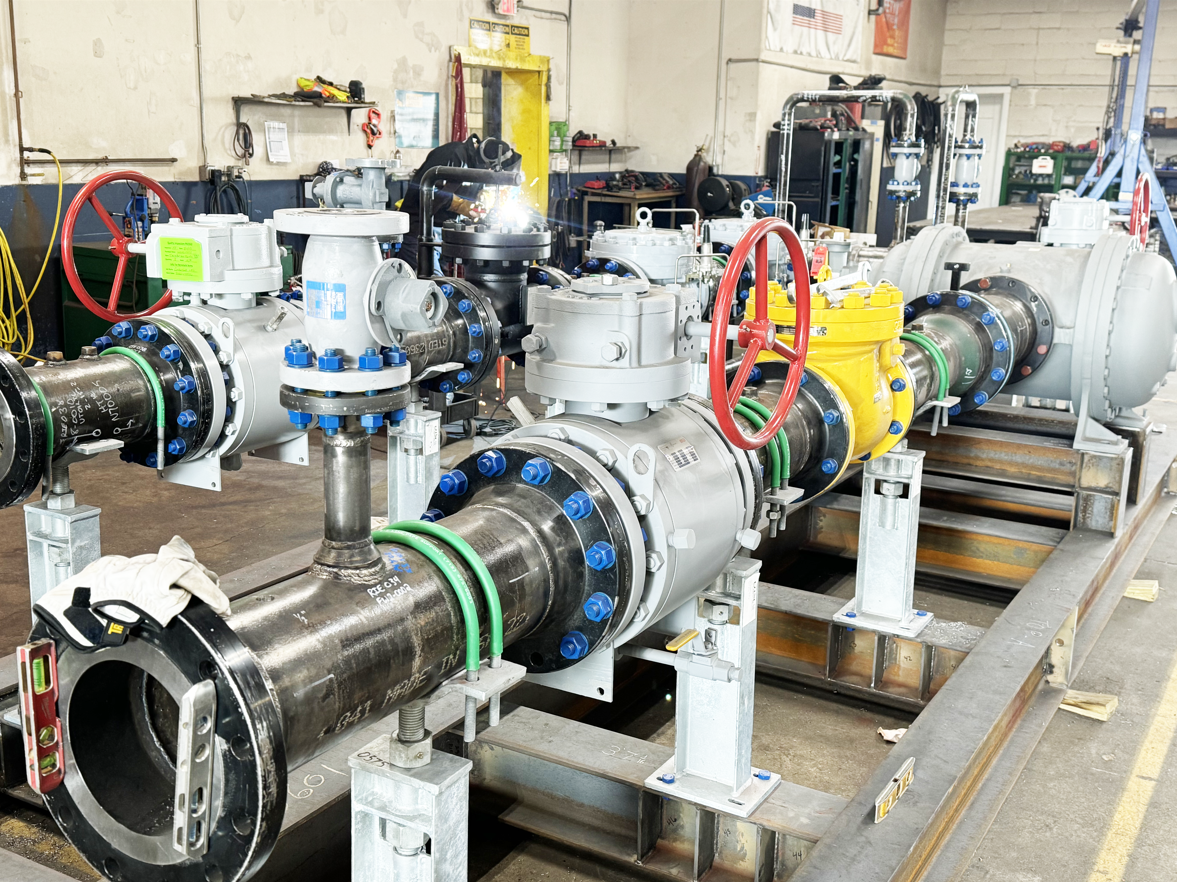
Prefabrication services are increasingly valuable for projects that need to reduce installation time while maintaining quality. Custom assemblies built off site can streamline complex installations, minimize on site disruption, and enhance safety by consolidating fabrication in controlled environments.
To pinpoint these needs, conduct a thorough facility assessment, examining existing equipment for wear or inefficiency and any gaps between current capabilities and future goals. Many companies bring in outside consultants for a fresh, unbiased evaluation covering equipment age, maintenance history, energy use, regulatory compliance, and upcoming production changes, which lets you ask informed questions when interviewing contractors.
Assessing Project Requirements
Every industrial mechanical project has its own set of unique parameters that must be examined before work begins, forming the foundation for a project that stays within budget, meets deadlines, and complies with safety and industry standards.
Step 1: Scope Definition
Defining project scope means getting clear on the scale, complexity, and exact requirements of the work, along with timelines and budgets, with safety regulations built in from day one rather than treated as an afterthought. At Fraser Engineering, thorough scope definition helps minimize costly surprises and keeps expectations aligned among stakeholders.
Step 2: Resource Allocation
Once scope is established, focus shifts to assembling the right resources, including the manpower, skills, and certifications required. In hazardous environments such as petroleum facilities, certified burner technicians and electricians are mandatory. Identifying equipment needs early also helps avoid delays from last minute rentals or shortages, and Fraser Engineering’s multi trade workforce supports coordination across phases to help shorten timelines.
Step 3: Timeline Estimation
Estimating how long a project will take requires weighing variables beyond simple start to finish calculations, including site conditions such as occupied buildings, restricted access hours, or phased construction. Longer timelines may call for staged commissioning to maintain uptime for facilities like manufacturing plants or hospitals, and building flexibility into the plan without compromising safety is an important part of managing these schedules well.
Evaluating Services Offered
Not every contractor covers the full spectrum of mechanical work, and aligning a contractor’s specialties with your project’s demands saves time and reduces costs. Fraser Engineering does not just handle HVAC installation. It also specializes in industrial controls, process piping, and prefabrication of modular systems, serving as a single, reliable source for complex projects requiring integration across multiple trades.
A contractor that offers preventative maintenance alongside new installations shows commitment not only to project success but also to long term reliability. Fraser Engineering’s licensed plumbers, electricians, welders, pipefitters, and burner technicians work as a coordinated team rather than separate subcontractors, reducing communication gaps and helping keep timelines on track.
Some clients may prefer a specialist in one trade, but when multiple disciplines interact closely, such as HVAC interfacing with control systems and process piping, a multi trade contractor like Fraser Engineering brings real benefit from managing those interfaces under one roof.
As you examine service offerings, ask whether a contractor handles full design and build projects, provides emergency mechanical services, and how well it coordinates across trades.
“Great People Doing Great Work” is not just a motto for Fraser Engineering. It reflects an integrated approach that combines technical skill, precise planning, and comprehensive service coverage to help ensure every part of your mechanical system performs as it should.
Licensing and Budget Considerations
Proper licensing is not just a formality. It is a fundamental safeguard for your project’s success and safety. Massachusetts regulations require mechanical contractors to hold valid licenses demonstrating their qualifications, and confirming compliance matters, since unlicensed providers can carry significant risk.
When assessing a potential contractor, check with the Massachusetts Department of Industrial Accidents or a similar regulatory body to verify credentials, and look for certifications beyond the basic license in areas such as HVAC systems or process piping. Fraser Engineering, trusted in New England since 1950, offers assurance through its reputation, licensed workforce, and multi trade expertise.
Industrial mechanical projects can be substantial investments, and cost varies widely depending on complexity, scale, and site conditions. Approaching your budget with realistic expectations helps prevent surprises without compromising on quality or safety for the lowest bidder. Reach out to Fraser Engineering directly to discuss your project parameters, since an early conversation helps set realistic expectations before you solicit formal quotes.
Practical Tips for Budget Handling
- Factor in potential cost variations from phased construction schedules or working within occupied spaces.
- Account for materials and equipment selection, since these heavily influence overall cost.
- Anticipate additional expenses such as permitting fees or unforeseen structural work that may arise during installation.
Final Contractor Comparison
Selecting an industrial mechanical contractor in Massachusetts means partnering with a company responsible for major systems that keep your facility running smoothly and safely. Comparing experience, services, cost, and customer satisfaction is important before making a final decision.
Experience reflects how many challenges a company has navigated over time. Fraser Engineering brings more than 75 years serving New England, with expertise across HVAC installations, industrial piping, controls, and prefabrication, which tends to mean fewer surprises. If your project needs multiple trades integrated seamlessly, a single multi trade contractor like Fraser Engineering can streamline communication and reduce coordination errors.
Cost is always top of mind. A multi trade contractor’s estimate may run higher than a narrower bid, but it is worth weighing against what you get: a licensed, insured workforce working under one roof for precision from start to finish. Lower bids from less integrated firms can lead to change orders or delays later.
Customer feedback reflects how consistently a contractor meets deadlines, stays within budget, and supports clients after completion, and Fraser Engineering’s long track record speaks to its reputation for accountability. The best approach is to weigh these factors together rather than focusing on one alone, since a well rounded contractor can save you time, stress, and money over the life of your equipment.
Find the Right Industrial Mechanical Partner for Your Massachusetts Facility
Choosing an industrial mechanical contractor is an important decision when HVAC, piping, controls, and other critical systems directly affect your facility’s reliability and operations. Fraser Engineering Co. Inc. brings more than 75 years of New England experience, a licensed multi-trade workforce, and integrated mechanical solutions for complex commercial and industrial projects.
Have an upcoming project or need to discuss your facility’s mechanical needs? Call 617-332-3700 or contact our team to request a project estimate and explore the right solution for your facility.
FAQs
What Does an Industrial Mechanical Contractor Do?
An industrial mechanical contractor provides and coordinates mechanical services for facilities, which can include HVAC systems, process piping, industrial controls, plumbing, prefabrication, and related installation and maintenance work.
What Should I Look for in an Industrial Mechanical Contractor?
Look for relevant experience, proper licensing, a qualified multi-trade workforce, strong safety practices, comprehensive service capabilities, and a proven record of managing complex projects. It is also important to consider communication, project accountability, and ongoing maintenance support.
Why Choose a Multi-Trade Mechanical Contractor?
A multi-trade contractor can coordinate multiple disciplines under one roof, including HVAC, plumbing, piping, electrical, controls, welding, and burner services. This can reduce communication gaps and make coordination easier when several systems need to work together.
What Industrial Mechanical Services Does Fraser Engineering Provide?
Fraser Engineering provides integrated mechanical solutions that include HVAC installation, process piping, industrial controls, prefabrication, plumbing, electrical work, welding, burner services, and preventative maintenance.
How Do I Choose the Right Industrial Mechanical Contractor for My Project?
Start by defining your project’s scope, required services, timeline, budget, and safety requirements. Then evaluate contractors based on experience, licensing, available trades, relevant project experience, service capabilities, and their ability to provide ongoing support.
How Much Does an Industrial Mechanical Project Cost?
Project costs vary depending on factors such as project size, complexity, materials, equipment, site conditions, construction schedules, and permitting requirements. Fraser Engineering recommends discussing your facility and project requirements directly to develop a more realistic estimate.
Does Fraser Engineering Handle Complex Industrial Projects?
Yes. Fraser Engineering has experience providing integrated mechanical solutions for demanding commercial, institutional, and industrial environments, including manufacturing facilities and other facilities where system reliability and uptime are important.
How Long Has Fraser Engineering Served New England?
Fraser Engineering has been serving New England since 1950 and brings more than 75 years of experience to industrial mechanical projects.
Does Fraser Engineering Serve Businesses in Massachusetts?
Yes. Fraser Engineering serves clients across Massachusetts and provides industrial mechanical solutions for facilities with requirements involving HVAC, process piping, controls, and other mechanical systems.
Where Can I Find an Industrial Mechanical Contractor in Massachusetts?
Businesses looking for an industrial mechanical contractor in Massachusetts can contact Fraser Engineering to discuss their facility, project requirements, and mechanical needs. The company provides integrated services across multiple mechanical trades.
Does Fraser Engineering Provide Industrial Mechanical Services Throughout New England?
Fraser Engineering has served New England since 1950, with a long history of providing mechanical solutions across the region. Businesses can contact the company to discuss their specific project location and requirements.
Can I Request an Estimate for an Industrial Mechanical Project in Massachusetts?
Yes. Fraser Engineering encourages prospective clients to discuss their project scope, facility location, and specific requirements directly so the team can provide a project estimate based on the work involved.