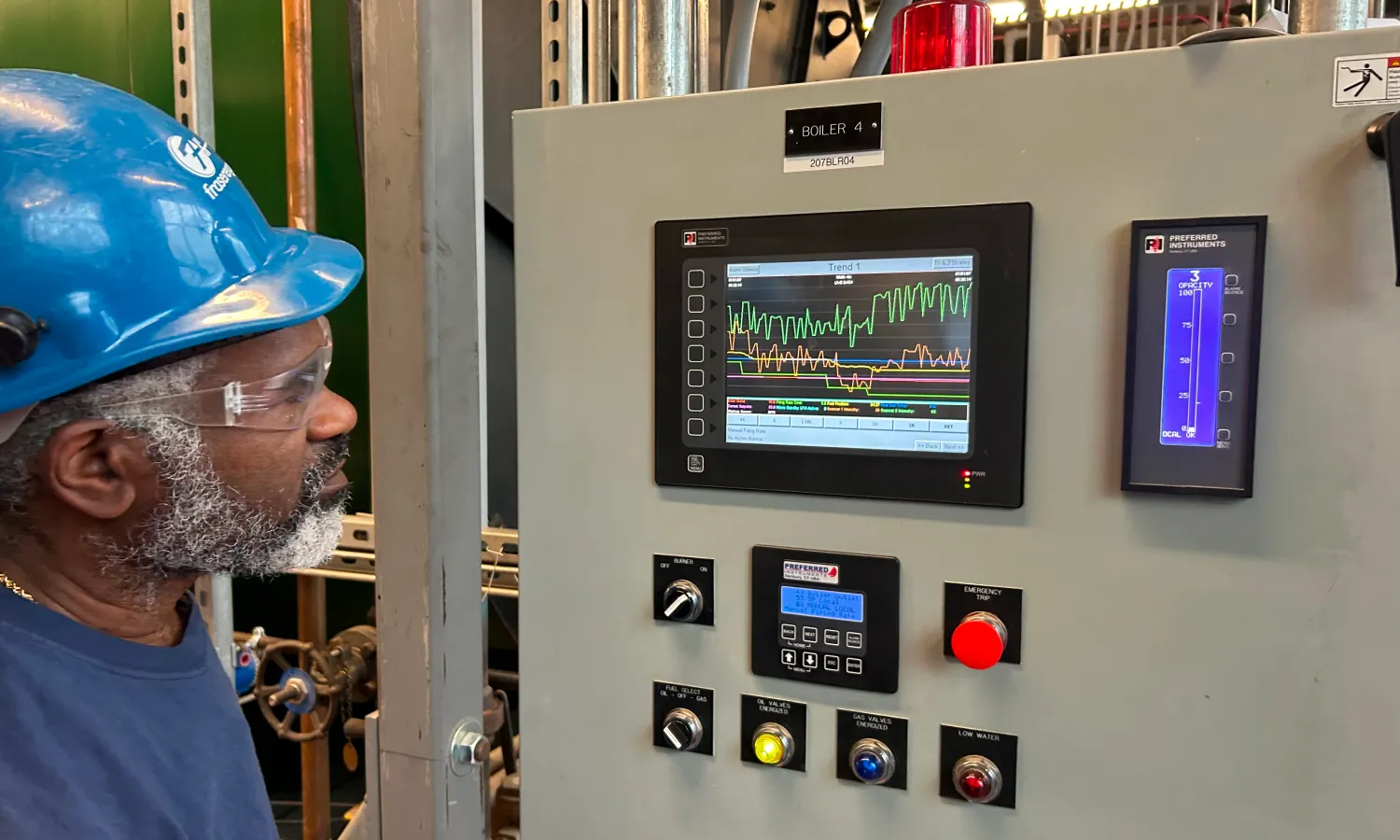
Automation has revolutionized manufacturing, enabling companies to produce goods faster, more accurately, and at lower costs. Robotics, control systems, and advanced software are now integral to modern production lines.
One of the key advantages of automation is consistency. Machines can perform repetitive tasks with precision, reducing errors and improving product quality. Additionally, automation enhances workplace safety by taking over hazardous tasks that would otherwise put human workers at risk.
The rise of Industry 4.0 has further accelerated automation through the integration of smart technologies such as the Internet of Things (IoT). Connected machines can communicate in real-time, allowing for predictive maintenance and optimized production schedules.
However, automation also raises concerns about workforce displacement. While some jobs may become obsolete, new roles are emerging that require technical expertise in programming, system maintenance, and data analysis.
To remain competitive, companies must strike a balance between automation and human skills. Engineers play a crucial role in designing and managing these systems, ensuring that technology enhances productivity without compromising workforce stability.